We work to improve how Alaskan students understand and use renewable energy through hands-on lessons and teacher trainings statewide.
The 2026 in-person competitions will be in Anchorage on April 4th and Juneau on April 11th. Projects can also be presented virtually until April 1st.
The Clean Energy Olympics is a renewable energy engineering design competition open to 4th-12th graders. Throughout the Spring semester, student teams design and build a model wind turbine or solar home at school, club, or home. Teams then test their design’s performance and present their designs to a panel of judges.
Scores are based on design performance, documentation of design process, team presentation, and subject matter knowledge. Competition elements and rules are based on the KidWind Challenge.
Teams can participate in-person (in Anchorage or Juneau) or virtually. Top teams from each grade division will be invited to the World KidWind Challenge, if it is held.
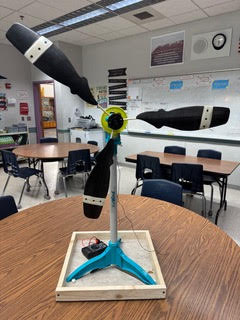
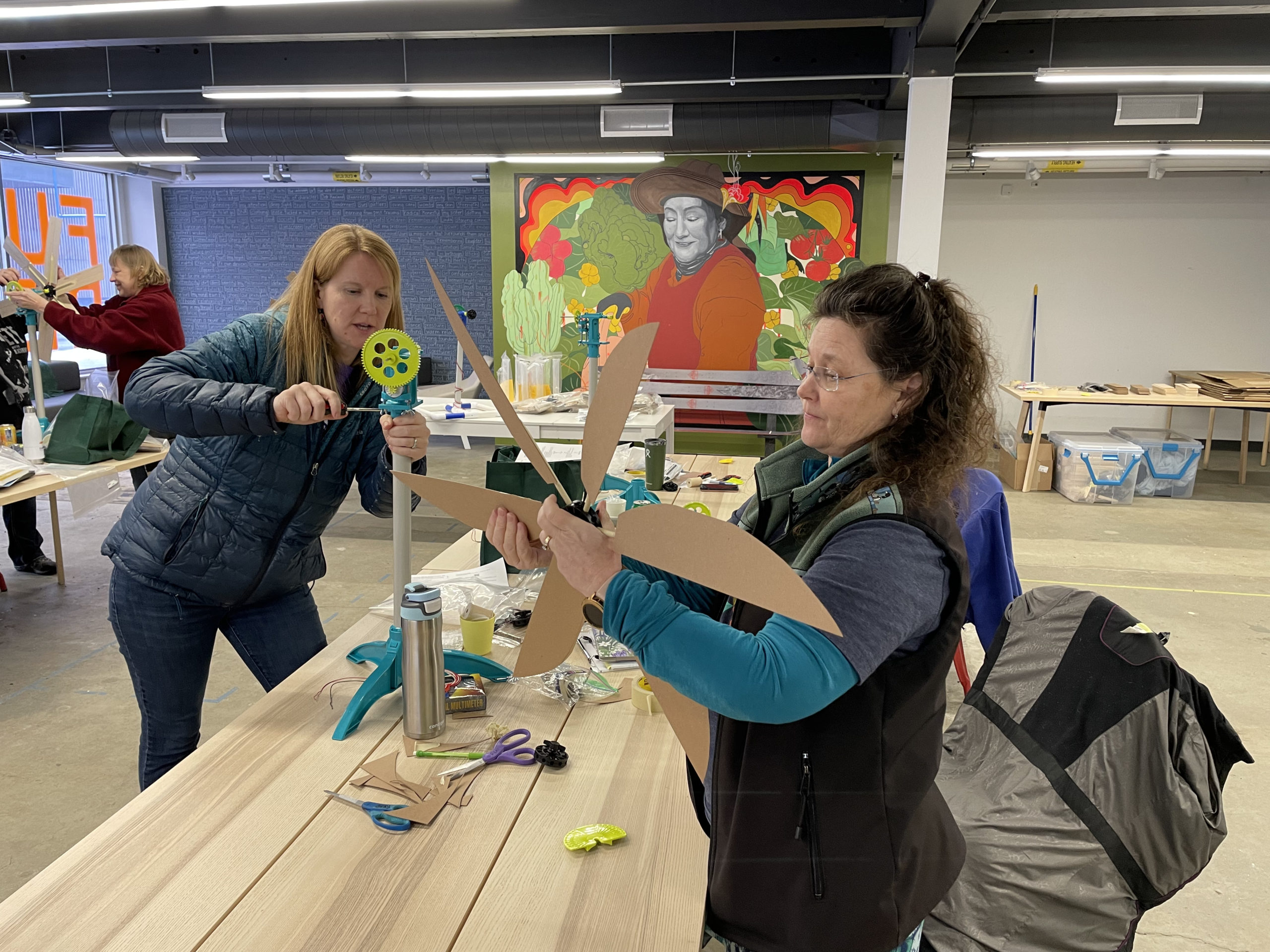
Interested in coaching a team to Clean Energy Olympics glory? Take a free training workshop with REAP to get all the hands-on experience and materials needed to incorporate this competition into your classroom/club. Continuing education credits are available upon request for interested teachers.
Teacher trainings workshops are wrapped up for the 2026 competition. Sign up for our education newsletter to be the first to hear about next year’s workshops!
email newsletter sign upWind for Schools was a program active from 2005-2020 funded by the U.S. Department of Energy’s Wind Powering America program and the National Renewable Energy Laboratory (NREL).
Alaska is one of eleven states which participated in the Wind for Schools program. Now, REAP educators collaborate with other educational organizations in the US through REpowering Schools, a national non profit which grew out of the Wind for Schools program.
REAP provides classroom visits to model wind and solar lessons and trainings to help teachers implement activities. REAP’s focus is schools around the state where community-scale wind or solar projects have been installed and students can easily visit the installation.
There are also currently seven small turbines connected to the electric grid in the state that were installed through the Wind for Schools program between 2009 and 2011. Those installations serve as on-site demonstration projects that allow students to collect and analyze the performance data of the turbines.
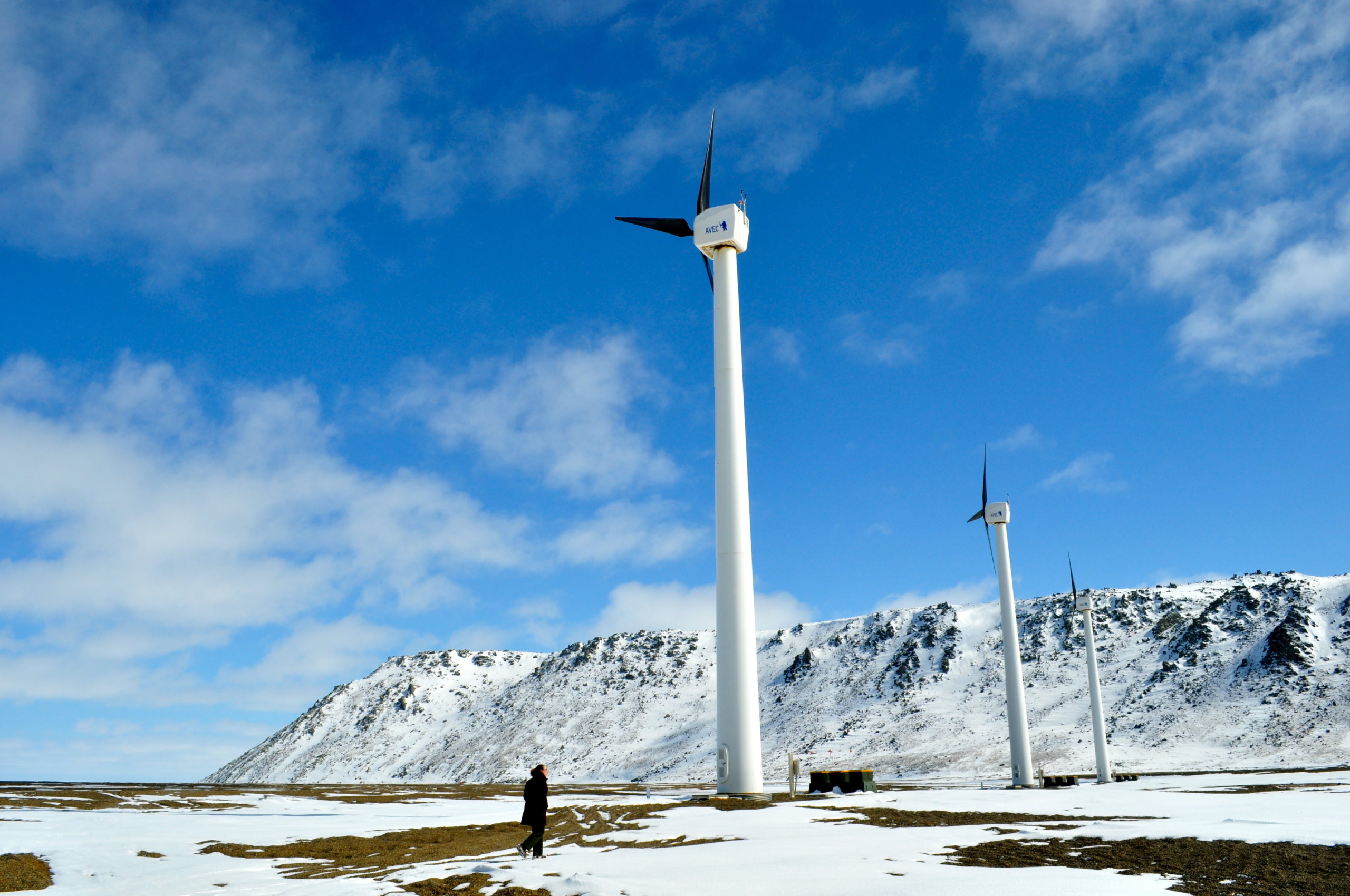
There are seven small wind turbines in Alaska that were installed through the Wind for Schools program between 2009 and 2011. We are working on reconnecting the turbines to a network so that their electricity output can be seen on OpenEI.
We provide classroom visits and teacher trainings statewide.
Request a presentation