Future Research Priorities to Accelerate Alaska’s Clean Energy Workforce Development
Several areas of additional research could strengthen the foundation for future energy workforce development efforts in the state. They include:
The challenges facing Alaska’s clean energy workforce, from tricky rural recruitment and retention to instructor shortages, are formidable. Yet the information gathered for REAP’s Powering Alaska’s Future: Opportunity Analysis of Clean Energy Workforce Challenges and Potential Solutions reveals a network of individuals, organizations, and communities actively building toward solutions.
We launched this four-part series to amplify findings and takeaways from the Opportunity Analysis. Our first post examined Alaska’s clean energy workforce size, growth, and in-demand roles. Next, we dug into the five key challenges constraining local clean energy workforce recruitment, retention, and training. Then, we uplifted five promising pathways toward clean energy job growth in Alaska, with the aid of case studies that exemplify the clean energy workforce development efforts already underway in many regions of the state. For this final installment in that monthlong series, we are drawing attention to avenues for continued research that could further inform those efforts and highlighting the ways that REAP will integrate the Opportunity Analysis findings into our clean energy workforce development programming going forward.
Several areas of additional research could strengthen the foundation for future energy workforce development efforts in the state. They include:
As explained in the report’s background section (p. 8), many industries calculate their employment impacts by tabulating direct employment (roles that work with physical energy efficiency and renewable energy infrastructure) and then modeling indirect positions (administrative, regulatory, financial, and supply chain jobs behind energy projects) and induced positions (broad array of support and service jobs created by direct and indirect employee wages) for a fuller picture of the economic footprint of their industry. These analyses can range widely depending on the breadth of the induced positions included—for instance, one recent analysis, developed by the McKinley Research Group using 2022 data and commissioned by the Alaska Oil & Gas Association, states that every direct oil and gas industry employee in the state supports another 15 indirect and induced positions. Their modeling includes not only payroll, goods, and services positions, but also positions funded by oil- and gas-related government revenue.
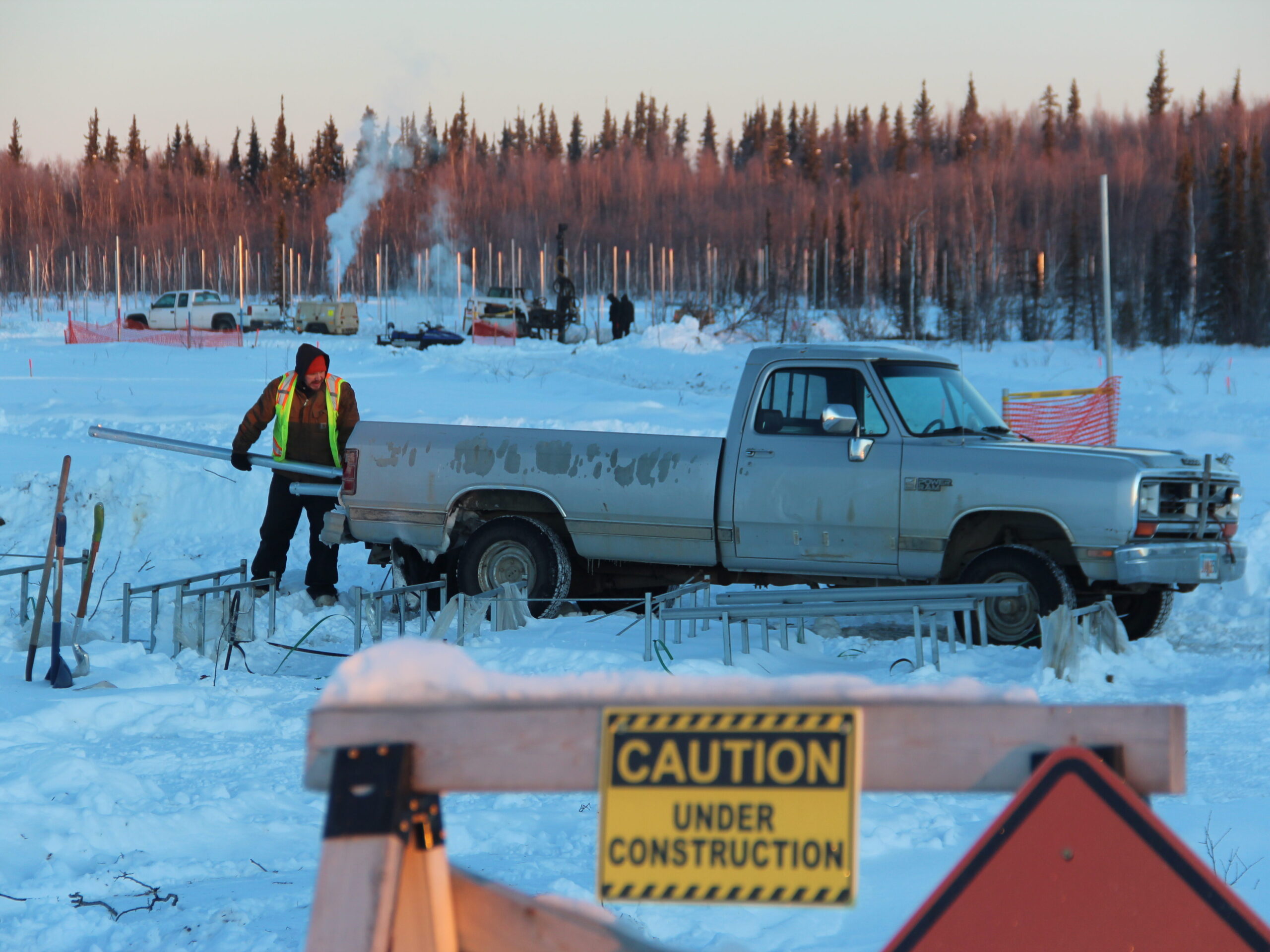
Construction underway on a solar project in Galena, Alaska. Photo: Jade Powell/REAP
The U.S. Energy and Employment Report (USEER), produced by the Department of Energy (DOE), is the main source for state and national-level energy employment data used in the Opportunity Analysis. State employment figures from the Alaska Department of Labor and Workforce Development (AKDOLWD) were also consulted. These sources provide direct employment figures, but calculating custom employment multipliers for the clean energy industry’s indirect and induced impact would better inform decisions regarding investment in energy efficiency and renewable energy projects and workers.
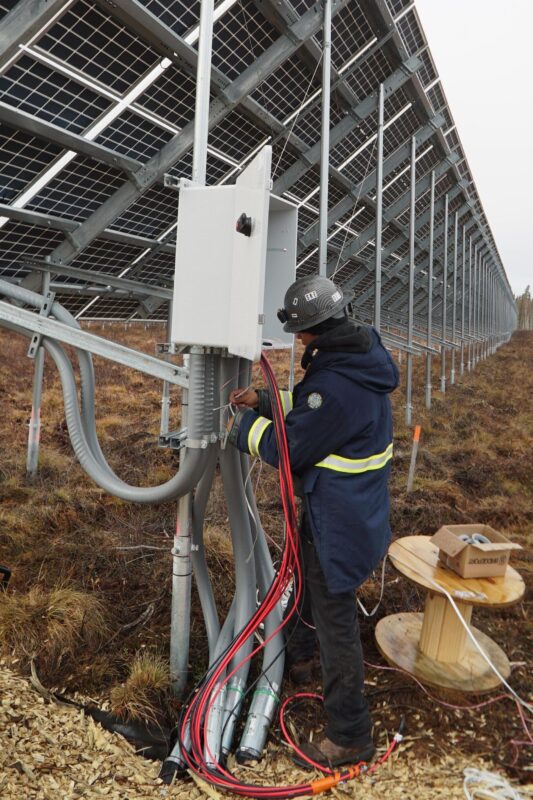
Sunstone Electric electrician Jacob Magbual works on a solar project in Galena, Alaska. Photo: Haleigh Reed/REAP
Alaska’s unique geography and climate can often make it difficult to draw parallels and inspiration from other regions and localities, but it’s still critically important to understand and apply relevant workforce development practices from Outside. The Opportunity Analysis background section compares Alaska’s recent clean energy job growth with peer states that share similarities like fossil-fuel-dependent economies, cold climates, large rural areas, and isolated grids (p. 10). This comparison validates Alaska’s strong recent growth rate, and highlights Maine as the only other state in the eight-state comparison with a higher clean energy growth rate in both 2022-2023 and 2023-2024.
Future study of clean energy workforce development strategies in Maine could pinpoint new tactics for cold climates and rural communities. Broadening the peer state analysis to include other fossil-fuel-dependent economies that are bringing significant clean energy projects online, like Texas, Oklahoma, and New Mexico, could provide added context and potentially reveal relevant workforce recruitment and reskilling strategies making headway in other oil-producing states. And conducting research to ascertain clean energy workforce growth and strategies at work in Canada’s Northern Territories could prove fruitful for identifying culturally grounded models within remote Indigenous communities.
During discussions about systemic barriers to training access and attendance, the fourth shared challenge highlighted in the Opportunity Analysis (p. 25), multiple interviewees discussed the need for further research and implementation of culturally integrated training practices and programs as a pathway toward lasting solutions. While some interviewees mentioned integrating culturally responsive elements into their positions and programs, like flexible work schedules during subsistence times, there was also recognition that more consultation and research in partnership with Alaska Native Tribes, elders, and community organizations is needed to validate other methods. Future research partnerships with local and regional Tribal organizations would be invaluable, especially to incorporate cultural differences in different regions across the state.
There are models in the K-12 space that could provide the initial foundation for developing best practices for culturally responsive postsecondary programs. Initiatives like the Pulasaraq curriculum, developed by the Lower Yukon School District and the Association of Alaska School Boards, and SeaAlaska Heritage Institute’s robust education offerings, including their Culturally Responsive Educator conference and science, technology, engineering, art and math curriculum, are two regionally specific examples. Long-term partnerships with Tribal organizations, postsecondary institutions, and energy employers would be essential to integrate culturally relevant and responsive elements into energy training opportunities across the state.
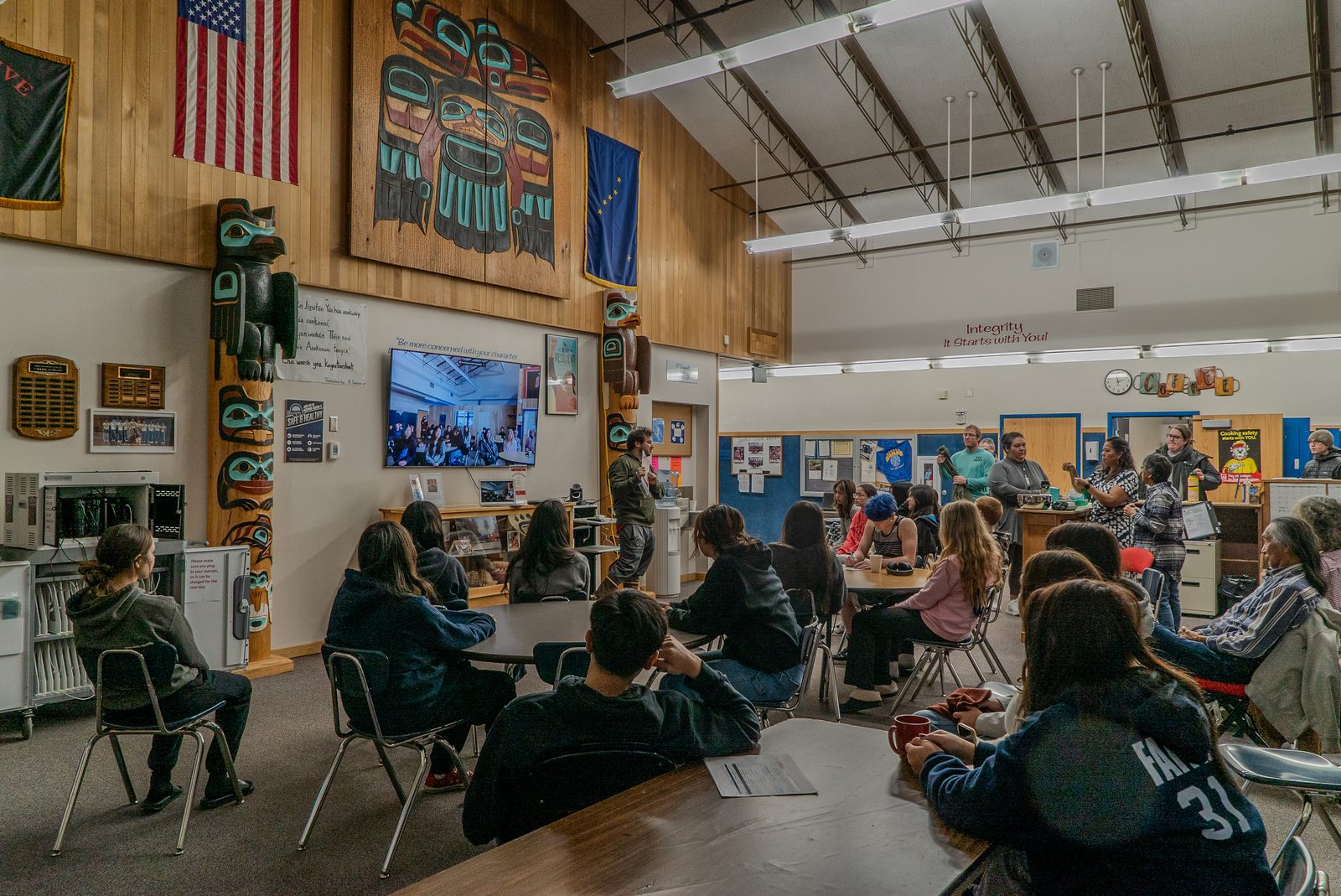
High school students listen to Angoon Alaska Youth Stewards coordinator Eric Benedict. Photo: Jenny Starrs/REAP
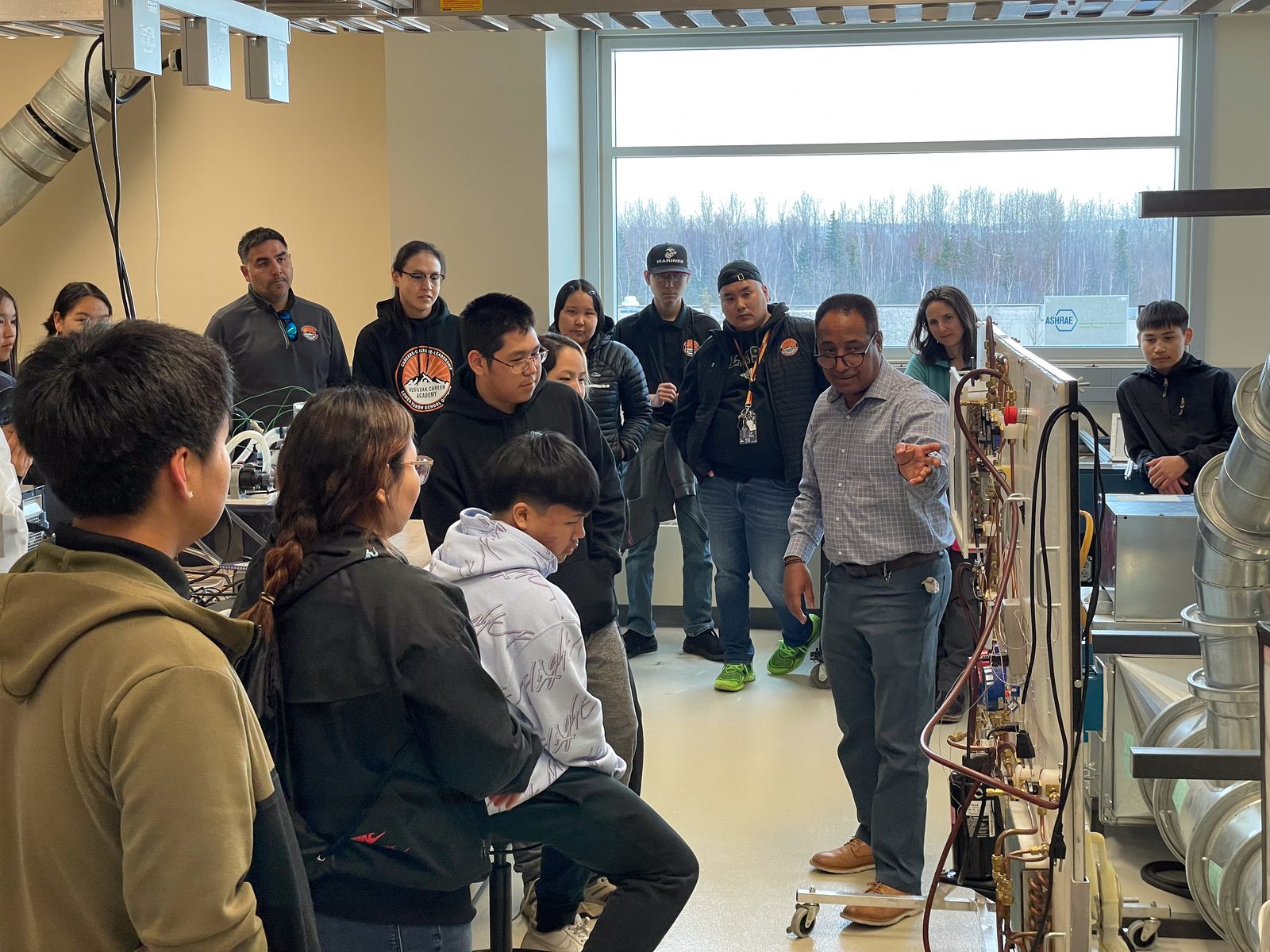
Professor Getu Hailu, from University of Alaska Anchorage’s Department of Mechanical Engineering, shows high school students different components and equipment in the UAA HVAC Lab. Photo: Chris McConnell/REAP
The Opportunity Analysis largely focuses on clean energy postsecondary career and technical education (CTE) opportunities, including incumbent worker training and professional development opportunities. Informational interviews for the report were conducted with employers, funders, workers, postsecondary training providers, and regional representatives involved in energy projects. REAP’s Gap Analysis of Alaska’s Clean Energy Education & Training Opportunities (McConnell, 2019) took a broader approach, however, and included sections on K-12, CTE, and university programs and pathways into clean energy careers. Future workforce development research efforts would benefit from further qualitative research and insight from K-12 and university teachers and administrators involved in energy education programs to give a holistic picture of challenges and opportunities within the full education system.
Staying up-to-date on Alaska’s clean energy workforce data, including overall and subcategory job changes, employer hiring experiences, and wage differentials, is invaluable. Not only can this data direct workforce development efforts and partnerships toward the highest need positions, but it also communicates the value of Alaska’s clean energy sector, employers, and workers to industry, state, and federal partners. Existing sources like DOE’s USEER and the AKDOLWD’s Nonresident Worker Report and Jobs Forecast are key sources of overarching workforce data, but are not readily informative for local clean energy workforce measurements and trends. The Opportunity Analysis appendix and attachment documents lay out the data worksheets and methodology used to define and chart clean energy workforce trends in Alaska from 2022–2024. Future research initiatives could apply this model to subsequent publications, starting with the recently released 2026 USEER, to generate a deeper understanding of Alaska’s clean energy workforce opportunities and trends over time.
From there, expanding this analysis to include Alaska-specific data from more sources, like state-level AKDOWLD research and analysis efforts, could surface additional insights to inform industry investment and augment workforce development efforts in Alaska’s clean energy space. A first step here could be working with AKDOLWD to include more clean energy jobs in state-level projections and their other research and analysis efforts so that this data is publicly available and accessible going forward.
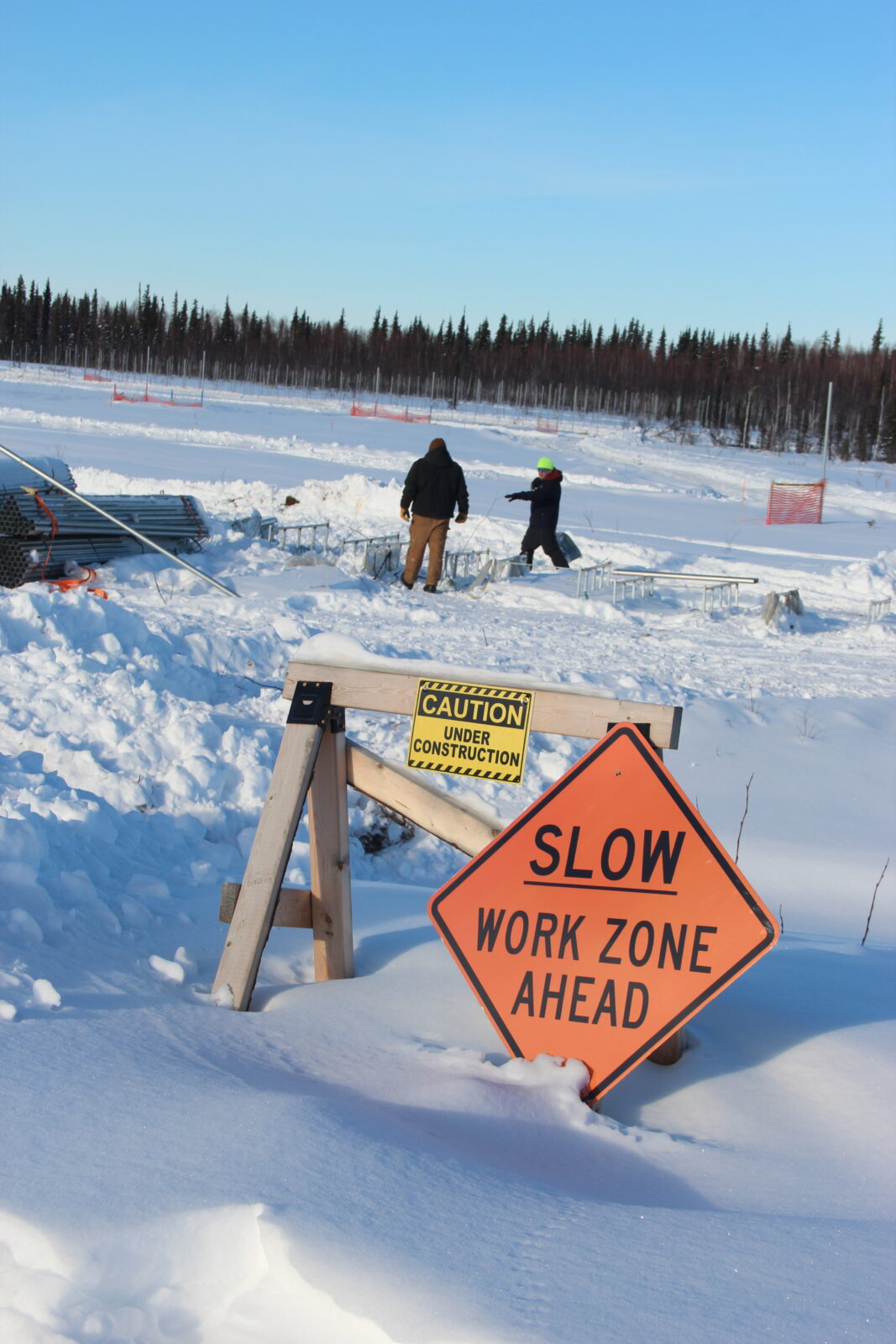
A solar farm worksite in Galena, Alaska. Photo: Jade Powell/REAP
While continuing to analyze clean energy workforce data trends and conduct new qualitative research, REAP is also doing the work of bringing many of the strategies in the Opportunity Analysis to life. Some of the most actionable, near-term priorities include connecting training providers with employers, elevating local practitioners as instructors and mentors, and increasing career awareness and exploration opportunities.
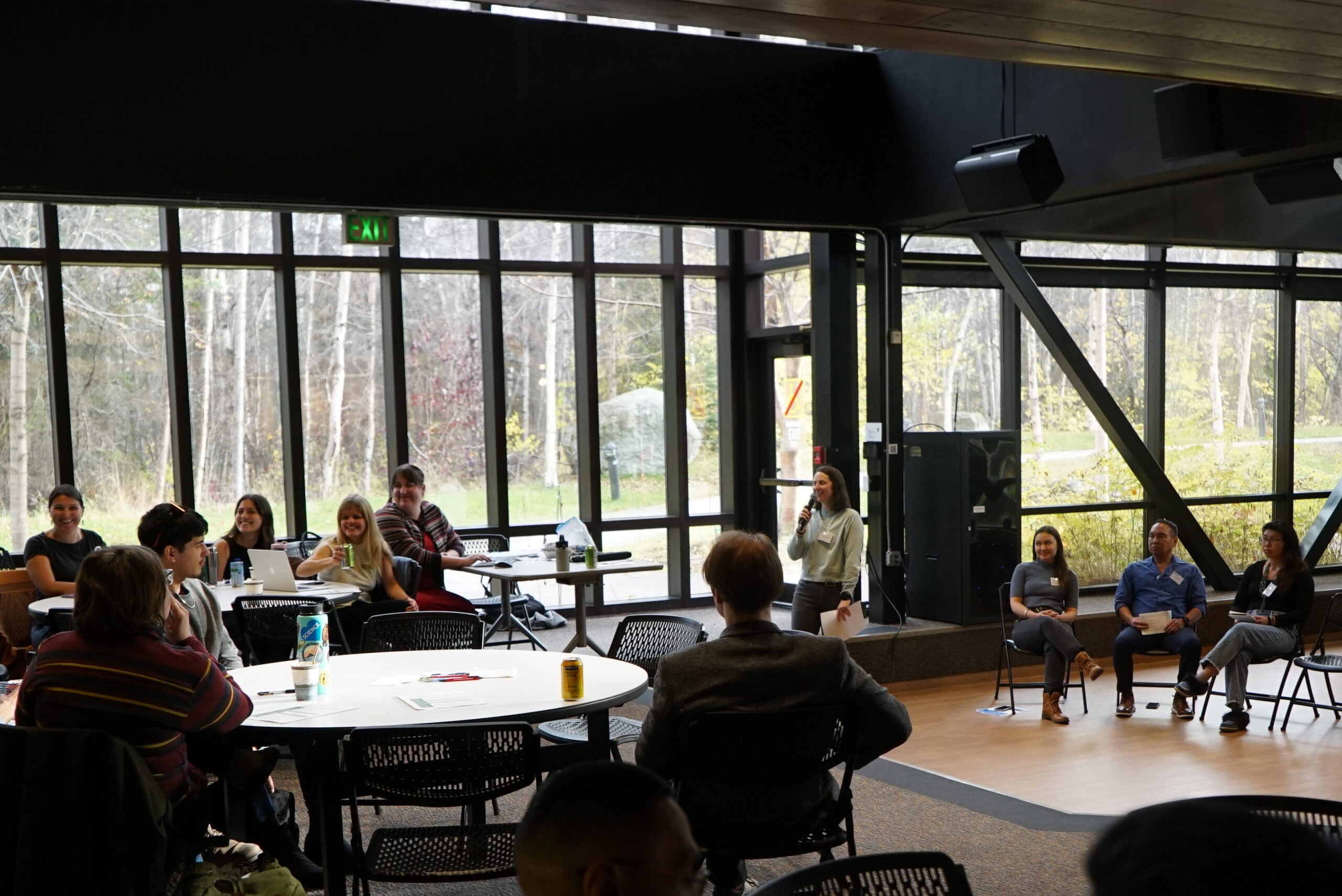
ANEEE Program Manager Jenny Starrs facilitates an energy workforce development panel. Photo: Donovan Russoniello/REAP
REAP’s Alaska Network for Energy Education and Employment (ANEEE) facilitates the Alaska Energy Training Group as a community of practice for energy trainers, employers, and other workforce development professionals to connect, brainstorm, and collaborate. Topical quarterly meetings feature presenters from across the state and time for attendees to ask questions and share updates. Meeting presentations were part of the research process for the Opportunity Analysis, and can seed inspiration and new partnerships to better support and grow the state’s clean energy workers.
REAP’s training coordination program, People in Power (PIP), works with independent electric utilities to provide training in key operations, clerical, management, and governance skills. PIP training efforts are responsive to individual utility and staff needs, and our team often partners with local, in-region practitioners to design and deliver hands-on assistance in topics like PCE reporting, Quickbooks management, preventative diesel generator maintenance, ratesetting and long-term financial planning, and partnerships with independent power producers. While usually tailored to independent utilities participating in one of the program’s cohorts, PIP is offering a free public training in utility PCE reporting and rate design after the 2026 Alaska Rural Energy Conference.
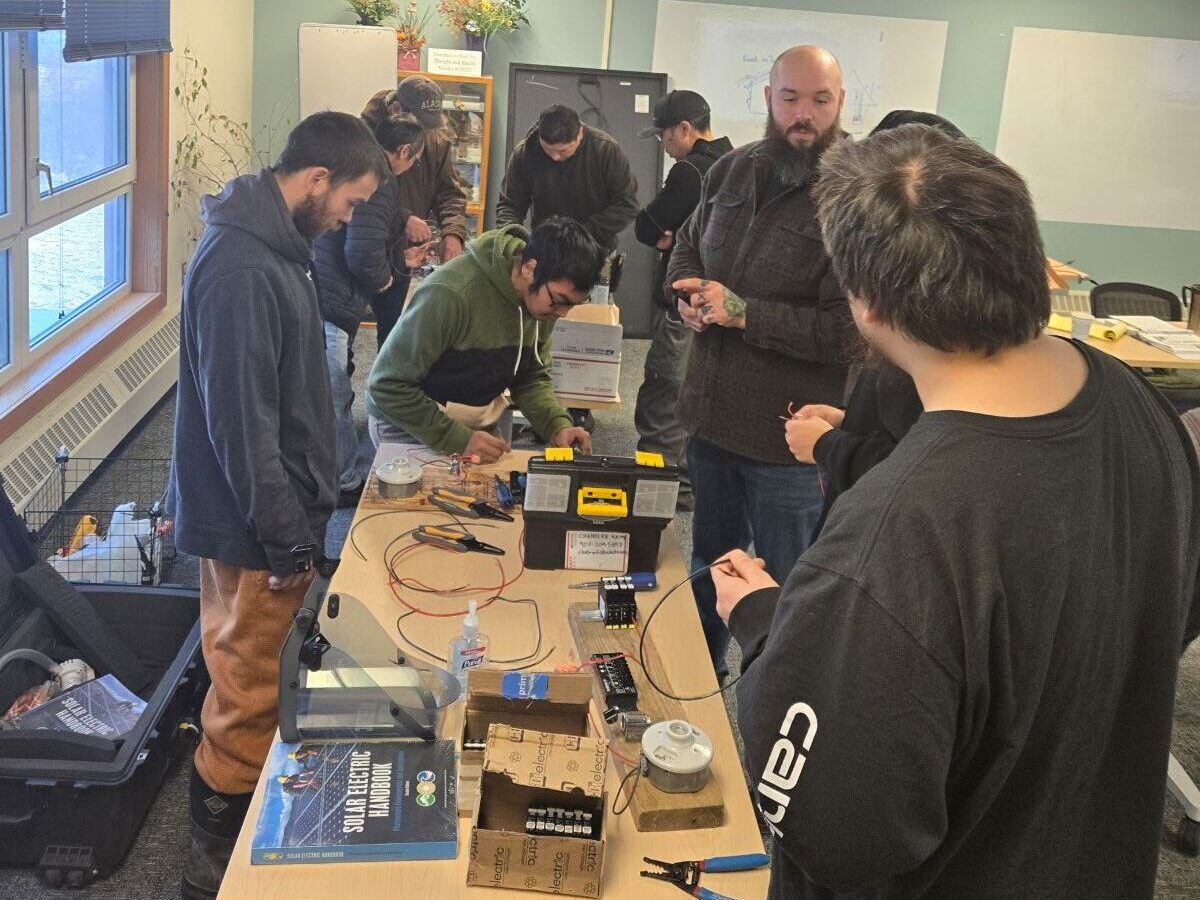
Staff from utilities participating in PIP attended a solar installation training in Bethel. Photo: Jacob Ivanoff

REAP Educator Tyler Katzmar mock-interviews a high school student from the Lower Yukon School District. Photo: Donovan Russionello/REAP
REAP also develops, teaches, and facilitates impactful K-12 energy education and career exploration opportunities. As part of our longstanding AK Energy Smart (AKES) energy efficiency partnership with Alaska Housing Finance Corporation, our team of four educators trains elementary and secondary teachers in how to deliver the AKES place-based energy literacy curriculum, plus teaches more than 5,000 students in classrooms, camps, and community settings annually. REAP also hosts two statewide energy competitions, the Power Pledge Challenge and Clean Energy Olympics. And perhaps most excitingly, we are growing dual-credit secondary education partnerships with the University of Alaska Fairbanks Bristol Bay Campus’s Sustainable Energy Occupational Endorsement program and school districts across the state to increase awareness and opportunity to pursue clean energy career pathways.
As a direct provider of energy education to thousands of students each year, a coordinator for proactive electric utility training, a regional partner for delivering energy technical assistance projects in rural and remote communities, and the convener of the Alaska Energy Training Group, REAP is positioned to translate many of the Opportunity Analysis findings into action. But we can’t do it alone. Partnerships bring these priorities and strategies to life.
Growing Alaska’s pool of qualified energy workers requires sustained, coordinated effort across training providers, employers, Tribal organizations, state agencies, and communities. Addressing the labor shortages and challenges explored in the Opportunity Analysis means investing simultaneously in entry points and advancement pathways, in rural remote communities and Railbelt cities, and in both short-term stopgaps and long-term structural change. No single partner can do this alone, and there is no silver bullet. But the collaborative strategies identified in the Opportunity Analysis can meaningfully move Alaska toward a future where more clean energy infrastructure is built and maintained, all by a skilled, homegrown workforce.
This is the end of our blog post series, but it’s only the beginning of the conversation. To stay engaged: